5.0 / 5
How satisfied were you with the behaviour and cooperation of the staff?

Urangattiri Panchayat is a body of elected representatives of the people to carry out the administrative affairs of the Panchayat Raj institutions. In the case of a Gram Panchayat, it is the main body that implements the decisions of the Gram Sabha and carries out the day-to-day administration. The main components of the Panchayat are: President: He is the head of the Panchayat. He presides over the meetings and supervises the overall activities of the Panchayat. Vice President: He assumes the duties in the absence of the President. Ward Members: Representatives elected from each ward of the Panchayat. Standing Committees: To facilitate the decision-making of the Panchayat, they are formed for matters such as finance, development, welfare, health, education etc.

President

Vice President & Chairman Standing Committee for finance

Chairman, Standing Committee for development

Chairman,Standing Committee for Welfare
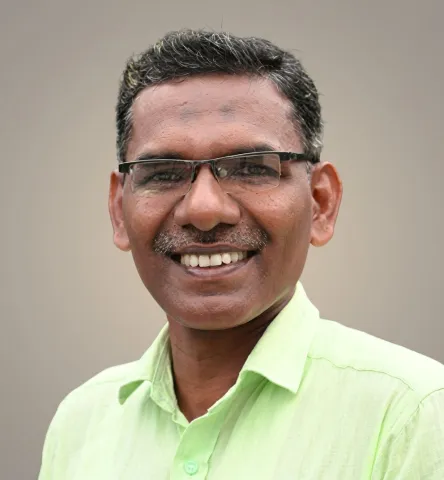
Chairman,Standing Committee for Health and Education
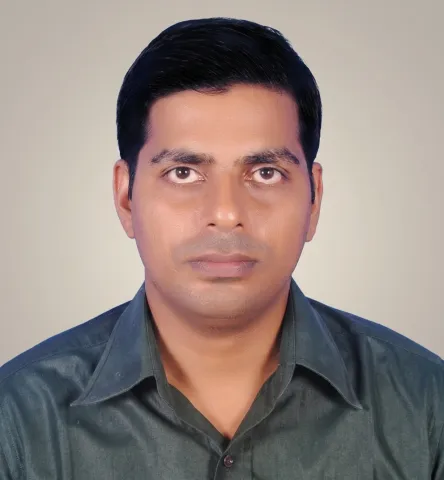
Secretary, Grama Panchayat

Date of Formation: 20-11-1961
Villages: Urangattiri, Vettilappara
Block Panchayat: Areekode
Taluk: Eranad
Legislative Assembly Constituency: Eranad
Lok Sabha Constituency: Wayanad
District: Malappuram
Area: 76.09 sq. km
Number of Wards: 24
Total Population (2011): 40,297
Male Population: 19,925
Female Population: 20,372
Population Density: 461.76 persons/sq. km
Scheduled Caste (SC): 3,255 (Male: 1,624; Female: 1,631)
Scheduled Tribe (ST): 1,052 (Male: 531; Female: 521)
Literacy Rate: 90.91%

Download Now


The history of Urangattiri is closely intertwined with tribal culture and forest life. It is believed that the name “Urangattiri” originated from the word “Ooru,” referring to a settlement or habitation of tribal communities who migrated from the Nilambur forests. Areas such as Myladi, Panniyanmala, and Kodumpuzha were once covered by dense forests, and historical accounts indicate that tribal colonies and “Naduvazhi” families still exist in the region. The temple ruins and stone inscriptions discovered at Vilakkuparamba provide evidence of the ancient heritage of the area. The region, once known as “Panthalangadi,” served as a centre of Amsakacheris (local administrative centres) during the British period. Since the hilly lands were under the control of intermediaries, farmers cultivated the land by...
Read More